 Laineng Technology | Solar Mobility & Smart Energy Solutions

Site Search
Searching
Popular Searches
E-bikesD101-10S108S108 ProS109 D03-10
Why install solar panels on light electric vehicles?
Three numbers. Three facts we cannot ignore.
685 million people worldwide still have no access to electricity. For them, mobility is not a question of which vehicle to choose — it is a question of whether the lights can be turned on at all.
Fuel prices keep swinging, and commutes keep getting longer. Getting around has become an expense that many people simply cannot afford.
Conventional electric vehicles solve how to move, but not how to power a home, a phone, or a rural clinic. Energy and mobility are still two separate things.
Sources: Tracking SDG7 2024 · 685M without electricity access (2022) | World Bank Commodity Price Data · Crude oil annual average price 2019→2022 +58%
Before we built a single product, we answered three questions.
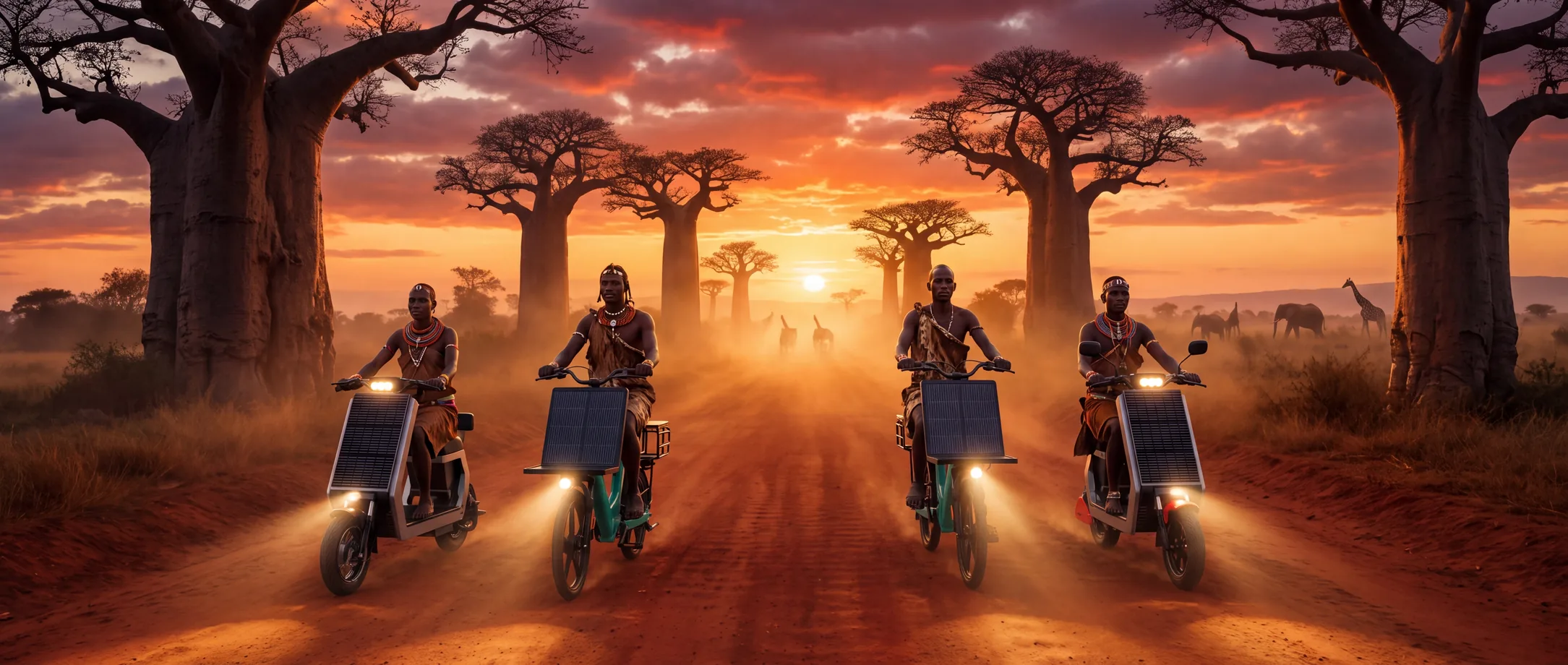
It rises every single day — no grid, no gas station, no emissions.
Blackouts, power rationing, rising tariffs — when the grid is unreliable, energy independence stops being an option and becomes a necessity.
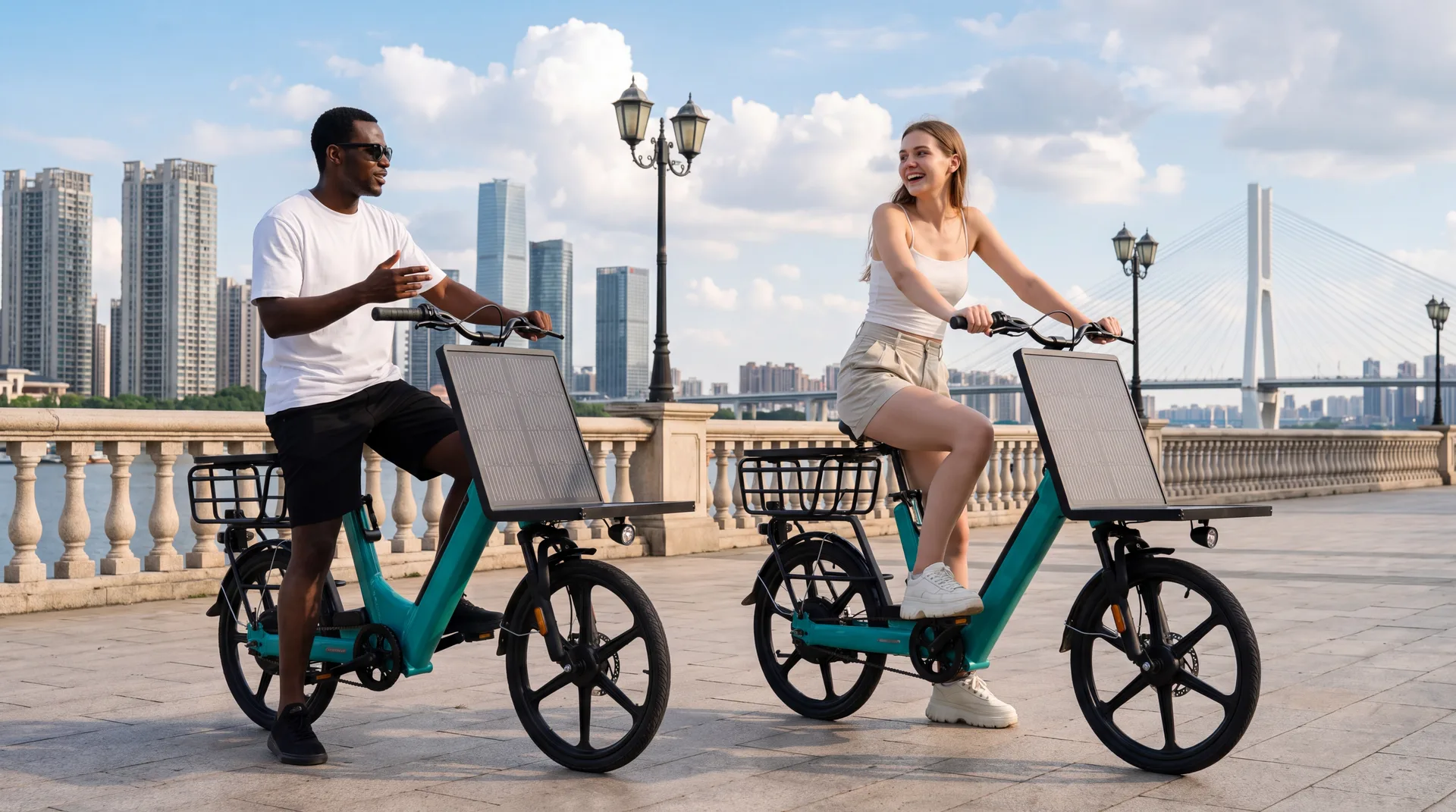
A vehicle parked in the sun that keeps charging its own battery turns mobility from a cost into an asset.
Three whys, all pointing to one single answer.
Laineng exists to turn sunlight into mobility, and mobility into energy.
Mobility that generates power as it moves
Sunlight is the fuel, range renews itself
From daily commuting to hauling cargo
More than a vehicle — a power bank on wheels
The destination matters more than the starting point.
View Our Vision →